What Happens to Bacteria Inside a Trash Can Between Pickup Days?
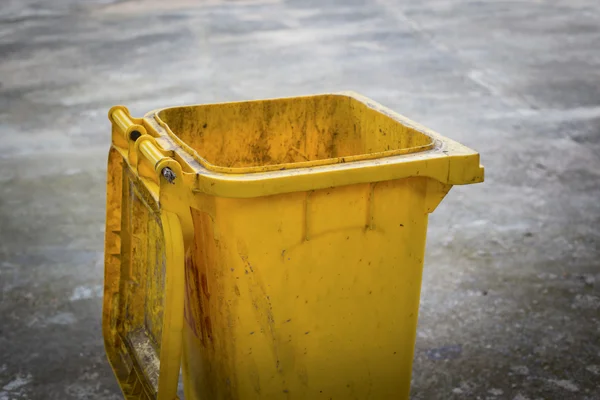
Your garbage truck empties the trash can, but it doesn't remove everything left behind. Small amounts of food, leaking liquids, grease, and other waste can remain stuck to the bottom and walls of the bin. Over the next several days, that leftover material creates conditions where bacteria can survive and multiply.
The amount of bacterial growth depends on moisture, temperature, available nutrients, and how clean the container was to begin with. For homeowners in Springfield, OH, understanding this process can help explain why a trash can starts smelling long before the next collection day.
A regular trash can cleaning service can help remove accumulated residue and reduce the conditions that allow odors and bacterial buildup to develop.
What Happens Inside Your Trash Can After Collection?
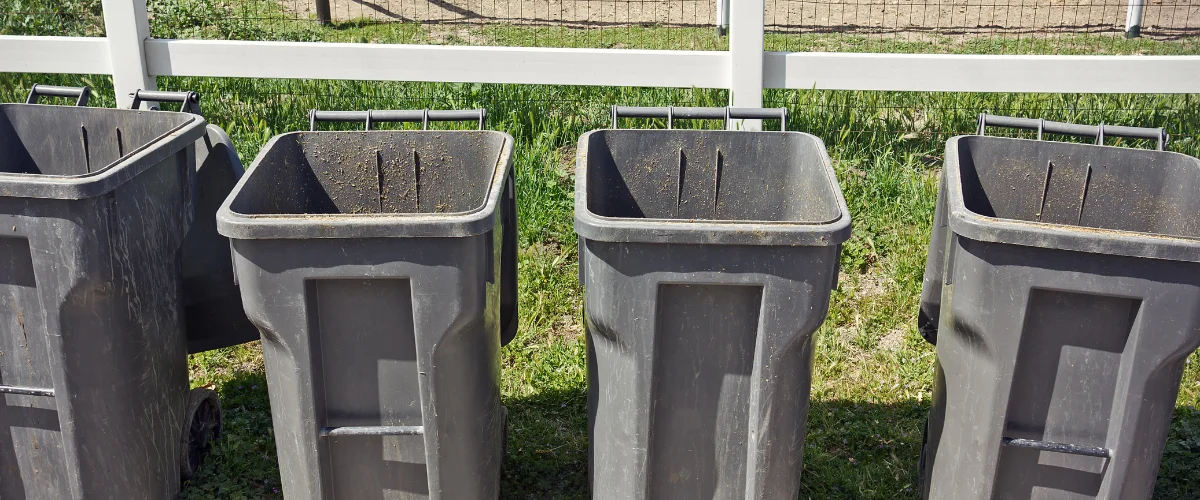
An empty trash can isn't necessarily a clean one. Even after the garbage truck removes the bags, a thin layer of organic material may remain inside.
Bacteria are naturally present in household waste and the surrounding environment. When food particles, moisture, and other organic substances remain in a container, certain bacteria can use those materials as nutrients.
Their activity changes as conditions inside the bin change.
The First 24 Hours: Residue Remains Behind
Immediately after collection, the bin may contain small amounts of liquid from torn bags, food scraps, or residue trapped along the bottom.
These materials can support microorganisms already present on the container's surfaces.
Even when the trash can looks empty, a sticky film may remain along the interior walls or underneath the lid. This buildup is easy to overlook because it isn't always visible.
Days Two and Three: Bacteria Can Multiply
As fresh garbage enters the container, additional food particles and moisture may accumulate.
When conditions are favorable, bacteria can reproduce and increase in number. Some microorganisms break down organic material, producing compounds that contribute to unpleasant odors.
A loosely tied garbage bag or a container of discarded food can also release liquids into the bin.
The result is a combination of old residue and new waste that may become increasingly difficult to remove with a quick rinse.
Days Four Through Seven: Odors and Buildup May Increase
By the end of the collection cycle, the trash can may contain several layers of residue from different disposal days.
If the container stays damp, bacteria may continue growing in areas where nutrients remain available.
Warm temperatures can accelerate the breakdown of food waste, making odors more noticeable.
However, bacteria don't grow at the same rate in every trash can. A dry container with properly sealed waste may remain relatively clean, while a bin containing leaking food waste can develop odors much sooner.
Why Bacteria Thrive in Some Trash Cans More Than Others
Not every household garbage bin experiences the same level of buildup. Several conditions determine how quickly microorganisms can multiply.
Food Waste Provides Nutrients
Discarded meat packaging, dairy residue, vegetable scraps, and leftover meals can leave organic material behind.
Even after the main waste is removed, small particles may remain attached to the container.
Bacteria can use this material as a food source, especially when moisture is present.
Moisture Makes Buildup More Persistent
Liquid from garbage bags, rainfall entering through an open lid, and condensation can leave portions of a trash can damp.
Moisture allows some microorganisms to remain active and can make food residue stick to surfaces.
A puddle at the bottom of the bin is particularly troublesome because new waste may come into contact with it.
Temperature Changes the Rate of Decomposition
Outdoor temperatures influence how quickly food waste breaks down.
During warmer months in Springfield, OH, organic material may decompose faster, increasing the likelihood of noticeable odors between collection days.
Cold weather can slow some microbial activity, but it doesn't automatically remove bacteria or existing residue.
Irregular Cleaning Allows Residue to Accumulate
Garbage collection removes the contents of the bin, not necessarily the material attached to its surfaces.
Without periodic washing, leftover grime can remain through multiple pickup cycles.
Over time, this accumulation may make odors harder to manage, even when garbage bags are properly secured.
What Is Biofilm, and Can It Form Inside a Garbage Bin?
One reason stubborn residue can be difficult to remove is the possibility of biofilm formation.
A biofilm is a community of microorganisms attached to a surface and surrounded by a protective material they produce.
Biofilms can develop on many surfaces when suitable moisture and nutrients are available.
Inside a trash can, persistent damp residue may create conditions that support this type of microbial buildup.
Not every sticky surface is a biofilm, however. Grease, decomposing food particles, and ordinary dirt can look similar without laboratory testing.
The practical concern is that surface buildup may trap organic material and make routine cleaning less effective.
Removing attached residue is an important part of keeping a garbage container cleaner.
Does an Empty Trash Can Still Contain Bacteria?
Yes. Emptying the garbage doesn't eliminate microorganisms already present on the container's surfaces.
Bacteria may remain on the bottom, interior walls, handles, lid, and areas where waste has leaked.
However, finding bacteria on a surface doesn't automatically mean that the surface poses a serious health risk.
Microorganisms are widespread in everyday environments. The relevant concerns are the type and amount of contamination, the potential for contact, and whether proper hygiene practices are followed.
For routine household trash handling, washing your hands after touching dirty bins and avoiding direct contact with waste residue are sensible precautions.
Why Does Your Garbage Can Smell Even When It Looks Clean?
A trash can can develop an unpleasant odor without containing obvious piles of waste.
Small amounts of organic material may remain in seams, corners, or textured areas of the container.
As microorganisms break down some of these materials, they can release odor-producing compounds.
Other smells may come directly from decomposing food, discarded liquids, or substances absorbed into existing grime.
This explains why spraying a scented product into a dirty container may temporarily cover the smell without addressing the source.
Cleaning away the residue is usually more useful than simply masking the odor.
Fresh garbage can introduce new smells afterward, so no cleaning method can guarantee that a trash can will remain odor-free indefinitely.
Can Bacterial Buildup Attract Flies and Other Pests?
Food residue and decomposing organic waste can attract flies and other insects.
The attraction is generally related to accessible food material and odors rather than bacteria alone.
Flies may investigate garbage containers where food scraps are exposed or lids don't close properly. Under suitable conditions, some flies can lay eggs in decomposing organic matter.
Keeping garbage securely bagged, closing the lid, and removing food residue can help make the container less attractive.
Cleaning doesn't guarantee that flies, maggots, or other pests will never appear, particularly when new food waste is regularly added.
How Professional Trash Can Cleaning Helps Reduce Buildup
A garden hose can remove loose dirt and some visible waste, but stubborn grease, dried residue, and material attached to corners may require more thorough cleaning.
At Sudz Up Bin Cleaners, we use heated high-pressure water and professional bin cleaning equipment to wash and sanitize garbage containers.
Our process is designed to address the interior and exterior surfaces where grime and organic material accumulate.
Here's how our curbside service works:
You select a cleaning plan and schedule your service online.
After your regular garbage collection, you leave your bins at the curb for their scheduled cleaning.
We clean the containers using heated high-pressure water and specialized equipment.
We sanitize and deodorize the bins, collect the wastewater in our cleaning system, and return the containers to the curb.
This process helps remove the existing buildup that contributes to recurring odors.
Professional cleaning doesn't prevent bacteria from returning as new waste enters the container, but it provides a practical way to maintain cleaner bins between collection cycles.
How to Keep Bacteria and Odors Under Control Between Pickup Days
You don't need to wash your trash can every time you throw something away. A few consistent habits can reduce the amount of residue that accumulates throughout the week.
Secure Garbage Bags Before Placing Them in the Bin
Loose or damaged bags allow food scraps and liquids to contact the container directly.
Choose appropriately sized bags, avoid overfilling them, and tie them securely before disposal.
Double-bagging particularly messy waste may be useful when leakage is a concern.
Keep the Lid Closed
An open lid can allow rainwater and additional debris to enter the container.
Keeping the lid closed helps reduce unnecessary moisture and limits access for some insects and animals.
Check that the lid closes properly and isn't blocked by overflowing garbage.
Remove Spills Before They Dry
If a bag leaks, cleaning the affected area promptly can prevent liquid waste from drying into a stubborn residue.
Use a suitable household cleaner, water, and a brush when needed, following the container manufacturer's care instructions.
Wear gloves and avoid mixing household cleaning chemicals.
Allow the Container to Dry
After washing, allow the bin to drain and dry as much as practical before adding new garbage.
Leaving standing water at the bottom can create additional moisture-related problems.
Pay Attention to Food Waste During Warm Weather
Food scraps can begin breaking down relatively quickly in warm conditions.
Securing food waste, reducing leaks, and keeping the lid closed can help limit unpleasant odors during Springfield's warmer months.
Useful Cleaning and Hygiene Resources for Trash Can Maintenance
A few reliable resources can help you understand proper cleaning practices and choose products for maintaining household garbage containers.
CDC Cleaning and Disinfecting Guidance
The Centers for Disease Control and Prevention explains the differences between cleaning, sanitizing, and disinfecting.
Its guidance is useful for understanding why physically removing dirt and residue is an important first step before additional sanitation measures.
EPA Disinfectant Safety Guidance
The Environmental Protection Agency provides information about using registered disinfectants according to their product labels.
If you choose to use a disinfectant during household cleaning, confirm that it is suitable for the intended surface and follow the application instructions.
CDC Guidance on Cleaning With Bleach
The CDC's cleaning and disinfecting with bleach guidance explains important safety considerations for household disinfection.
Never mix bleach with ammonia, acids, or other cleaning products. In many routine situations, cleaning with soap and water is sufficient without additional disinfection.
These resources can support everyday maintenance without replacing the need to remove accumulated waste and grime.
How Often Should You Have Your Trash Cans Professionally Cleaned?
There isn't one cleaning schedule that works for every household.
A family that regularly disposes of food waste may experience more frequent buildup than a household generating mostly dry, securely bagged garbage.
Other considerations include how many people use the bin, whether bags frequently leak, and where the containers are stored.
At Sudz Up Bin Cleaners, we offer several cleaning options for Springfield-area homeowners.
Our monthly cleaning plan is $25 per month for one bin, while quarterly cleaning is $45 for one bin every three months. We also provide one-time cleaning for $60 per bin.
Additional garbage bins are $10 each, and additional recycling bins are $5 each under these plans.
Monthly service may be useful if your containers accumulate food residue frequently. Quarterly cleaning may suit a household with less buildup, while a one-time cleaning can address a particularly dirty bin.
The goal is to choose a schedule that matches how quickly your containers become soiled, rather than cleaning unnecessarily.
Frequently Asked Questions About Bacteria in Trash Cans
What Is a Trash Can Cleaning Service, and How Does It Work?
Our trash can cleaning service in Springfield, OH, makes it easy to keep your trash cans, garbage cans, and recycling bins clean without doing the dirty work yourself.
At Sudz Up Bin Cleaners, we arrive after your regular trash pickup and use professional trash can cleaning equipment to blast away dirt, grime, and leftover garbage. We use heated high-pressure water to clean, sanitize, and deodorize your bins. Our cleaning system also collects the dirty wastewater.
Simply leave your cans at the curb on your scheduled service day. Our cleaners take care of the rest, helping you enjoy squeaky clean bins without spending your free time cleaning them.
How Often Should I Have My Trash Cans Cleaned?
We recommend cleaning your trash bins regularly to help control bacteria, odors, and stubborn buildup. Your ideal schedule depends on how much trash your house produces and your desired cleaning frequency.
For customers who frequently throw away diapers, raw meat packaging, spoiled milk, rotting produce, and other common household items, monthly bin cleaning can make a big difference.
We offer monthly, quarterly, and one-time cleaning plans. If you're considering bi-monthly cleaning, contact our company to discuss your needs and available options.
Choosing the right service package helps you save money while keeping your bins fresh. Whether you need frequent cleaning or an occasional deep clean, we'll help you find a plan that works for your household.
How Much Does Professional Trash Can Cleaning Cost?
We believe great service should come with clear, affordable pricing. Our trash can cleaning service in Springfield, OH, offers several options:
Monthly Cleaning: $25 per month for one bin.
Quarterly Cleaning: $45 for one bin every three months.
One-Time Cleaning: $60 per bin.
Additional Garbage Cans: $10 each.
Additional Recycling Bins: $5 each.
If you have two bins or several cans that need cleaning, our team can help you choose the right service package.
Whether you're looking for a regular cleaning plan or a one-time deal, we focus on providing quality results and reliable service. Visit our website to explore our plans and get started today.
Why Do My Trash Cans Smell So Bad Even After Trash Pickup?
Even after trash day, your garbage cans can still contain leftover liquids, food particles, grease, and other dirty residue.
A single bag containing spoiled milk, raw meat packaging, or rotting produce can leak and leave behind a strong smell. Over time, this buildup can support bacteria, including potentially harmful bacteria such as E. coli, when those germs are introduced through contaminated waste.
These conditions can turn ordinary garbage bins into stinky bins and may attract flies, insects, and other animals.
Our professional bin cleaning service helps remove the grime that causes unpleasant odors. We clean and sanitize your bins rather than simply covering up the smell.
The difference is noticeable: cleaner surfaces, fewer lingering odors, and bins that are much more pleasant to keep near your garage or house.
Do I Need to Be Home When You Clean My Trash Bins?
No! You don't need to be home during your scheduled trash can cleaning.
Our service is designed to be simple and convenient. Just leave your empty trash cans and recycling bins at the curb after your regular trash pickup.
Our cleaners will arrive, complete the cleaning, and return your bins to the curb. You won't need to move them around during the cleaning or handle the dirty water.
Good communication is important to our business. If you have questions about your scheduled cleaning, our guys are happy to help.
You can contact us by phone or send a text message if you need assistance. We want every customer to feel confident about the service they're receiving.
Can Professional Trash Can Cleaning Remove Harmful Bacteria and Germs?
Yes. Professional trash can cleaning helps remove dirt, organic waste, and bacteria from the surfaces of your bins.
Dirty garbage cans can collect germs from food waste, diapers, leaking trash bags, and other household garbage. When moisture and food residue remain inside, bacteria may multiply.
At Sudz Up Bin Cleaners, we use heated high-pressure water and specialized cleaning equipment to wash, sanitize, and deodorize your containers.
Our process helps reduce existing contamination and the buildup that supports bacteria growth. However, even professionally cleaned bins can collect new germs when fresh trash is added.
Regular cleaning is a practical way to maintain cleaner bins, control odors, and reduce contact with dirty surfaces. It's also important to wash your hands after touching garbage cans, even after they've been cleaned.
How Do I Schedule a Trash Can Cleaning Service in Springfield, OH?
Booking our cleaning service is easy!
Visit the Sudz Up Bin Cleaners website, select your desired cleaning frequency, and choose the service package that fits your needs.
Once your cleaning is scheduled, leave your empty bins at the curb after trash pickup so our team can clean them.
If you need help signing up, call us at (740) 908-0196. Our team can explain the plans, answer questions, and help you move forward with the booking.
You can also ask us about reminder notifications, including whether a text message can be sent the day prior to your cleaning. We recommend confirming notification availability when you sign up.
There's no complicated process or extra work required. Just a simple sign-up, a scheduled cleaning, and professional service that saves you time.
Why Should I Choose Sudz Up Bin Cleaners Instead of Cleaning My Own Bins?
Cleaning garbage cans yourself can be messy, smelly, and time-consuming. A garden hose may remove loose trash, but it often doesn't remove stubborn grime stuck to the bottom, lid, or sides of the container.
Our professional trash can cleaning equipment is designed to clean bins more efficiently and reach areas that are difficult to wash by hand.
Instead of spending a few hours scrubbing your cans, dealing with dirty water, and trying to remove unpleasant odors, you can leave the work to us.
We focus on quality cleaning, good communication, and reliable service for customers throughout Springfield, OH. Our goal is to do a fantastic job every time and provide the kind of great service you'll be happy to recommend.
If you're looking for the best service for your needs, we're here to make the process easy. We want you to have an amazing experience, from the moment you sign up to the moment you see your clean bins.
Ready to get started today? Visit Sudz Up Bin Cleaners or call (740) 908-0196 to schedule your trash can cleaning service in Springfield, OH.
Keep Your Trash Cans Cleaner Between Pickup Days in Springfield, OH
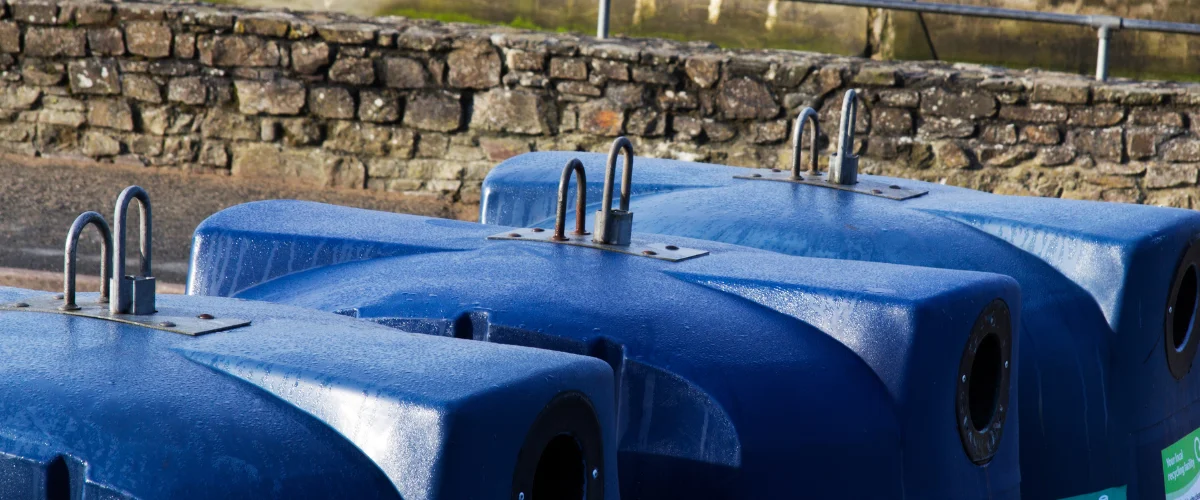
Bacteria don't disappear simply because the garbage truck empties your trash can. Small amounts of food residue, moisture, and grime can remain behind, allowing microorganisms to survive and, under favorable conditions, multiply before the next collection.
Managing spills, keeping garbage securely bagged, and regularly removing accumulated residue can make a noticeable difference.
For Springfield homeowners who want help maintaining their containers, our trash can cleaning service provides a convenient option for addressing dirt, stubborn buildup, and unpleasant odors.
At Sudz Up Bin Cleaners, we make cleaning your garbage containers part of a manageable household routine.
If your bins are developing odors between pickup days or have buildup that ordinary rinsing isn't removing, call (740) 908-0196 or contact us to learn more about our cleaning plans and schedule a service in Springfield, OH.